The Framework
Tricomponentism becomes simple when you look at it directly.
If something continues, something is allowing it to hold.
If it changes, something is pushing on it.
And whatever is there has to take form long enough for any of this to happen.
This isn’t built on belief or morality. It’s a way of separating what is already happening so it becomes easier to see clearly.
How the Structure Operates
Something holds long enough to be there at all.
It can adjust or continue as conditions shift.
At the same time, something pushes against it, where strain shows up and limits become visible.
And then there is the experience of it. Not control, just something noticing what’s already shifting.
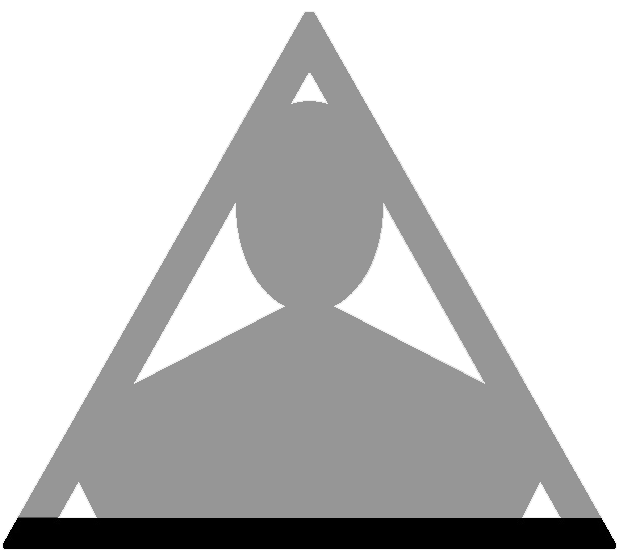
1st component - Matter
Matter is what holds form long enough to be something at all.
Not just physical substance, but continuity, the fact that something persists long enough for anything to happen to it.
Without that, there is nothing to push against, nothing to adjust, nothing to change.
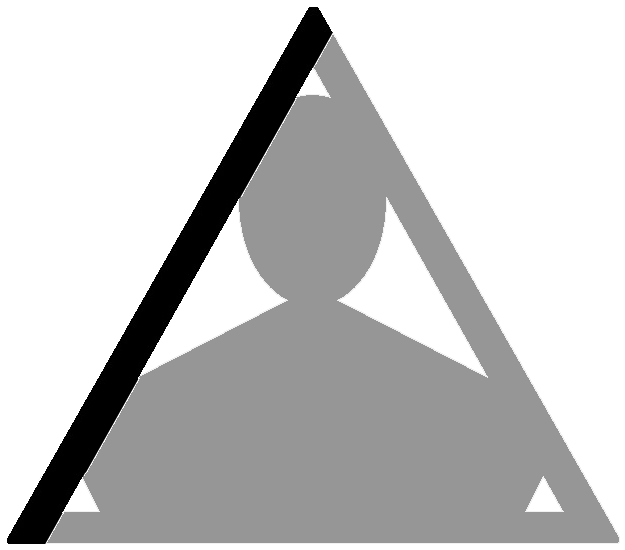
2nd component -The Good
The Good is what allows something to keep going.
It shows up as adjustment, recovery, stability, sometimes growth.
Not because it is trying to improve, but because it continues to hold under changing conditions.
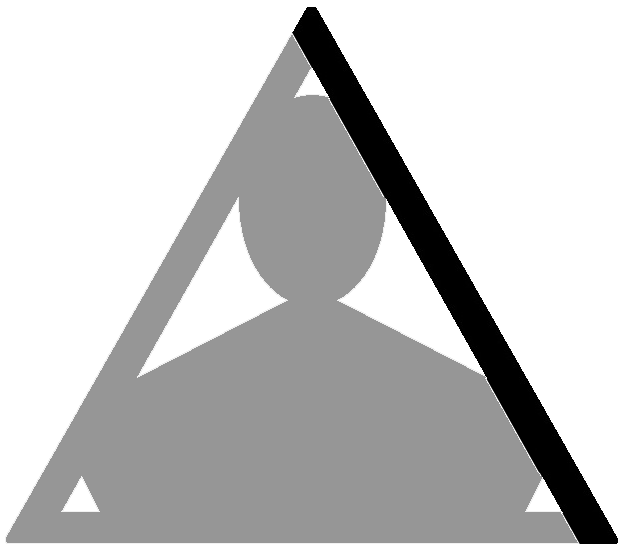
3rd component -The Bad
The Bad is what pushes against that.
This is where strain appears, where things stop working the same way, where limits become visible.
It doesn’t simply destroy. It defines how far something can go and what it can become.
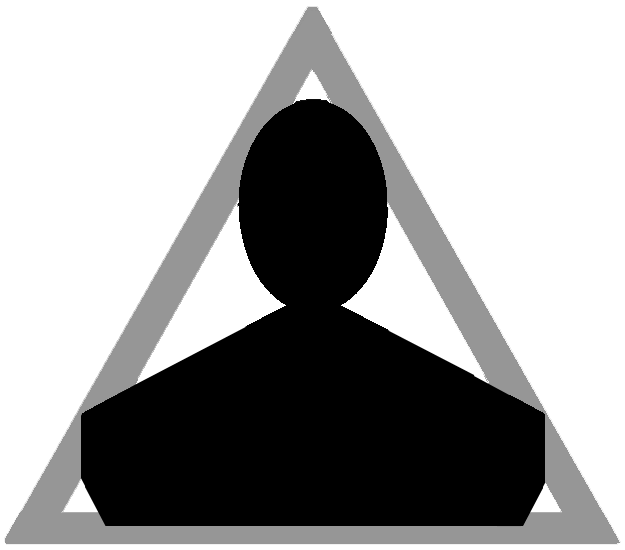
Awareness
Awareness isn’t another component alongside the others.
It shows up within the same process, the way what’s happening starts to be noticed at all. Not something added, just part of it.
By the time anything is seen, it’s already moving. The sense of control shows up after.
What looks like a decision comes out of that, not from something standing apart choosing it.
Key Distinctions
Not classical determinism
This isn’t about predicting a fixed future.
It’s about how possibilities narrow under pressure until something continues in one direction rather than another.
Not moral realism
The Good and The Bad are not moral categories.
They describe tendencies within structure, what allows continuation and what constrains it, without assigning value.
Not dialectical synthesis
This isn’t a system where tension resolves into something new.
The tension remains.
What shifts is which side becomes more dominant at a given moment.
Not self-help
This framework does not offer guidance or improvement strategies. It does not aim to change outcomes. It describes how systems already operate, whether they are understood or not.